VO2 max and resting metabolic rate testing are the two most predictive markers of how your body actually functions. Without this metabolic testing in West Hollywood, every nutrition and training recommendation is an educated guess.
Book a VO2 Max Test Book an RMR Test Schedule a Tour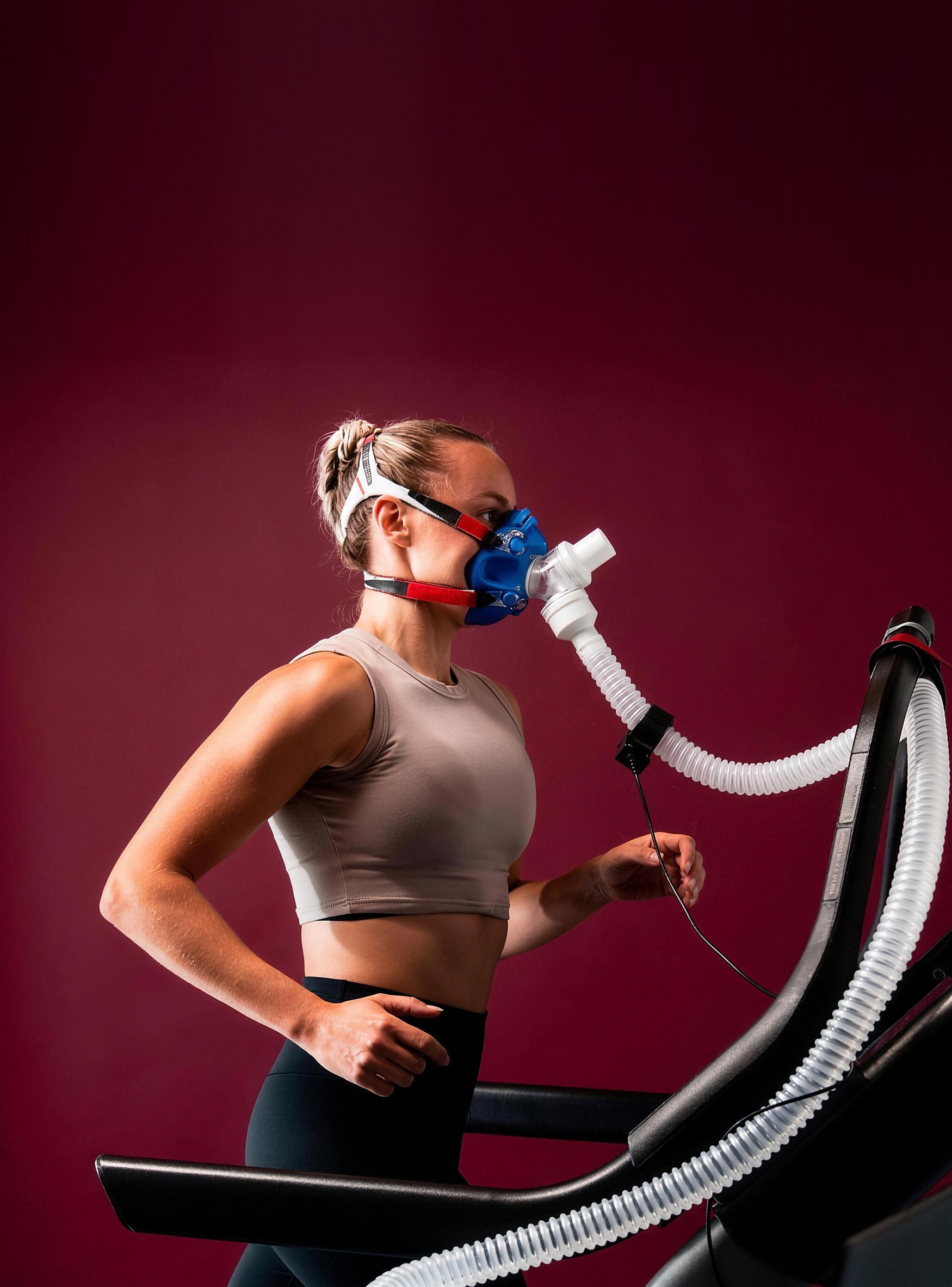
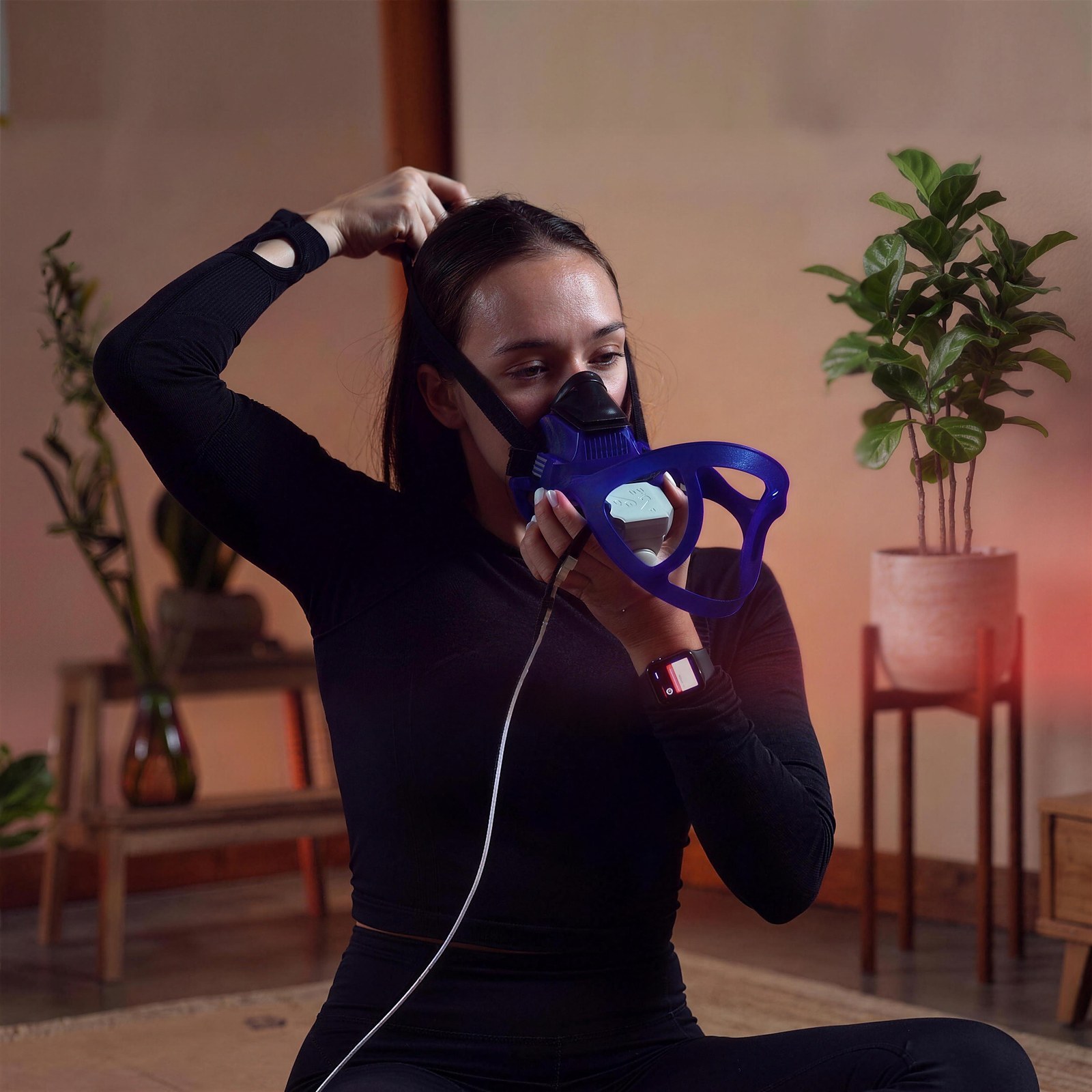
VO2 Max is the maximum rate at which your cardiovascular system can deliver oxygen to your muscles during exertion. It is one of the strongest independent predictors of long-term health outcomes, more predictive than most blood biomarkers alone.
Training without knowing your VO2 Max is training blind. Zone 2 recommendations, interval prescriptions, and recovery protocols are all estimates until the test gives you the actual numbers. Once you know your ceiling, every training decision has a foundation.
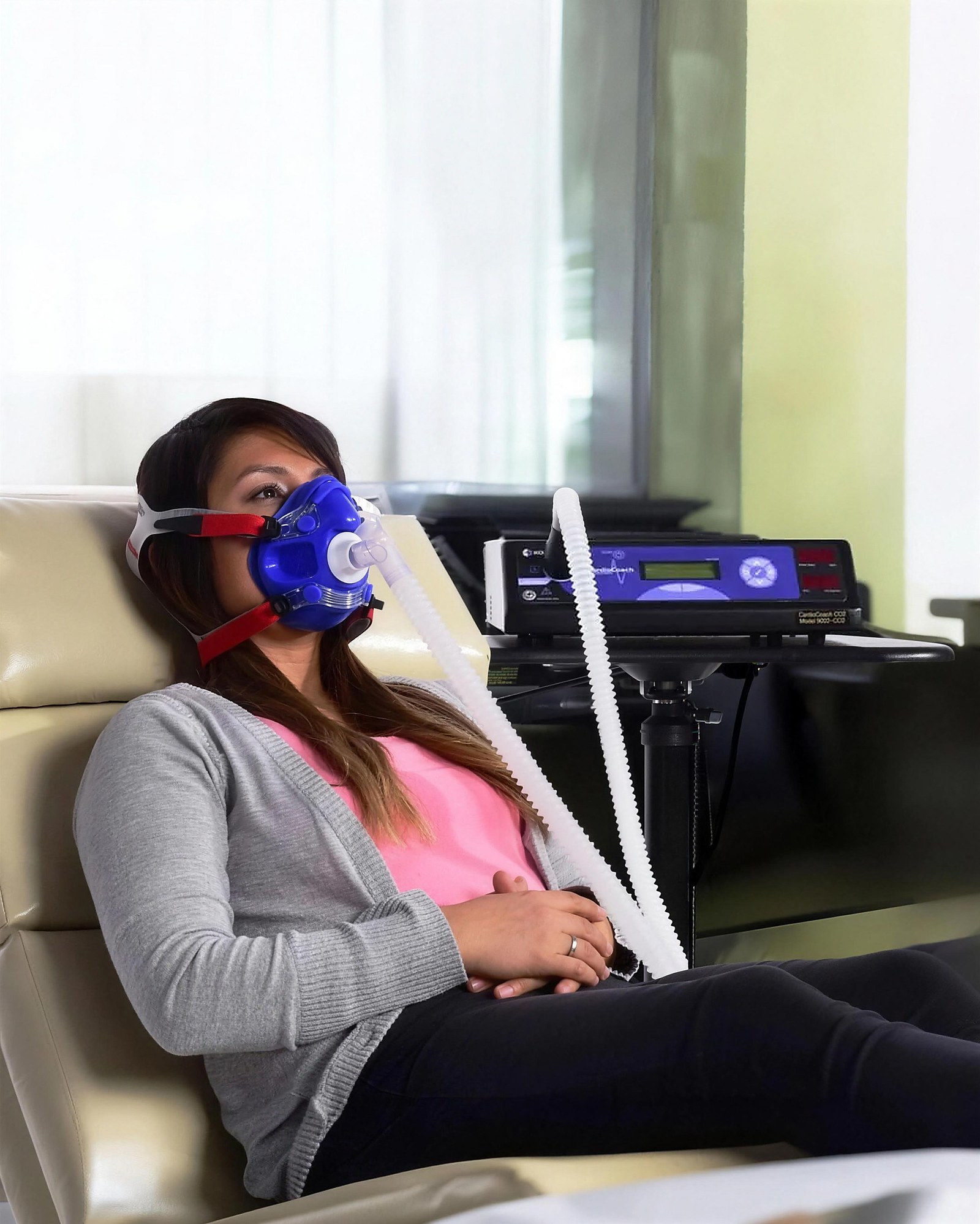
Resting Metabolic Rate is the number of calories your body burns to sustain basic function, breathing, circulation, and temperature regulation, without any movement. It is the foundation every nutrition recommendation should be built on. Almost no one measures it.
Patients who struggle with weight despite "doing everything right" often have suppressed RMR from hormonal shifts, chronic stress, or metabolic adaptation. Prescribing diet and exercise on top of a compromised metabolism produces poor results and significant frustration. RMR testing reveals the actual baseline.
From that baseline, the Citrin Longevity team can determine whether the solution is dietary adjustment, hormone optimization, GLP-1 therapy to retrain glucose utilization, or a combination of all three. The protocol follows the data, not the assumption.
"Exercise is not the ultimate answer for weight loss. You have to understand what the body is doing at rest before you layer anything on top of it."
The Citrin Longevity team. VO2 Max and RMR together give a complete picture of how your body produces and uses energy at every intensity level.
The data only has value when it drives specific decisions. Every result maps directly to a clinical recommendation.
Before testing, your ND reviews your full history: current training, dietary patterns, hormonal status, medications, and specific goals. The tests are interpreted in context. A suppressed RMR means something different in a patient with thyroid dysfunction than in one with chronic stress and cortisol elevation.
Both tests are performed on-site at our West Hollywood clinic. RMR is done rested and fasted in about 20 minutes, and VO2 Max uses a graded exercise protocol. Results are available immediately, and your ND reviews them with you the same day.
VO2 Max results define your specific training zones. RMR results establish your nutritional targets and identify whether metabolic correction is needed before dietary modification will produce results. Therapeutic interventions are prescribed where the data indicates metabolic dysfunction rather than simply a need for more discipline.
Foundation and Performance memberships include quarterly retesting, Elevate retests every other month, and Optimize includes monthly VO2 Max, RMR, and InBody. Each retest compares current data against your baseline and tracks adaptation over time. VO2 Max improvement is one of the most meaningful longevity metrics we track.
Do I need to be an athlete to benefit from VO2 Max testing?
No. VO2 Max matters for anyone who does any physical activity, and for non-athletes it establishes a longevity baseline. Data shows even modest improvements are associated with significant reductions in cardiovascular and all-cause mortality risk. For athletes, it gives the precision to train at correct intensities rather than guessing at zones.
Why is my RMR low even though I exercise regularly?
RMR is primarily determined by your hormonal environment, not exercise volume. Thyroid dysfunction, cortisol dysregulation, and hormonal decline all suppress metabolic rate regardless of training, and some patients suppress it further through the cortisol load of overtraining. Testing identifies the mechanism so the correction can be targeted.
How does RMR testing inform GLP-1 therapy decisions?
When RMR is severely suppressed and the driver is metabolic receptor dysfunction, meaning the body's glucose utilization pathways are compromised, dietary and exercise adjustments alone are insufficient. In these cases, micro-dosed GLP-1 therapy may be used to retrain how the body processes glucose before expecting meaningful metabolic improvement. RMR testing gives us the data to make that determination rather than guessing based on symptoms.
Can I do just one of the two tests?
Yes, both tests are available individually as à la carte services. RMR is a resting baseline and VO2 Max is a peak performance ceiling, so together they give a complete picture neither delivers alone. For patients working on body composition or longevity, we typically recommend both at baseline.
How do I prepare for VO2 Max and RMR testing?
For RMR, you come in rested and fasted for several hours, since food and movement raise your metabolism and skew the resting number. For VO2 Max, avoid hard training for 24 to 36 hours, skip caffeine and alcohol that day, stay hydrated, and bring your usual training shoes. Our West Hollywood team sends you exact prep instructions when you book so both numbers are clean.
What is a good VO2 Max for my age and sex?
Good is relative to your age and sex, not a single universal number. VO2 Max tends to peak in your late twenties and decline each decade, and men typically test higher than women. We place your result on age and sex percentiles, then track whether your number moves up over time.
Will my VO2 Max test be on a treadmill or a bike?
It depends on how you train. The treadmill recruits more muscle and usually produces a slightly higher score, which suits runners and most general clients, while the bike fits cyclists or anyone with knee or balance concerns. The Citrin Longevity team picks the mode that matches your sport.
How long does the testing session take?
The RMR test takes about 20 minutes of quiet, still breathing through a mask. The VO2 Max test uses a graded protocol where effort builds until you reach your max, usually 8 to 15 minutes of work, plus warm-up and cool-down. Plan for roughly an hour at our West Hollywood center, and your ND reviews the results with you the same day.
Is a lab VO2 Max test more accurate than my Apple Watch or Garmin?
Yes. A watch estimates VO2 Max from heart rate and pace, while our test directly measures the oxygen and carbon dioxide in your breath through a mask. Wearable estimates can be reasonable but drift when heart rate or GPS data are noisy, so the measured number is the one to train against.
How is VO2 Max connected to longevity?
VO2 Max is one of the strongest measured markers associated with long-term health. Research links higher cardiorespiratory fitness with lower risk of cardiovascular disease and all-cause mortality, and even moving out of the lowest fitness range is associated with meaningful risk reduction. That is why we treat a rising VO2 Max as one of the most useful longevity metrics we can track over time.
Can RMR testing explain a weight loss plateau?
Often, yes. Many Los Angeles clients plateau because their resting metabolism has dropped lower than expected, so a calorie target that once worked no longer creates a deficit. RMR testing measures your actual resting burn, and from there we adjust intake, protein, and training rather than telling you to eat less.
How often should I retest my VO2 Max and RMR?
Both numbers respond over months, not days, so quarterly retesting fits most people. We also suggest a retest after a notable change in weight, training, or therapy. Each retest compares against your baseline and shows whether your plan is actually working, which is more useful than testing constantly.
What is metabolic adaptation, and can testing detect a slow metabolism?
Metabolic adaptation is when your body burns fewer calories than its size would predict, often after long periods of dieting or large weight loss. On an RMR test it shows up as a resting rate below the expected range. That measured gap is a more useful read than the vague label of a slow metabolism, and it gives the team a clear target to correct before adding more restriction.
Does the test show my lactate threshold and training zones?
The VO2 Max test captures your ventilatory thresholds, which closely track the lactate threshold, the point where higher intensity stops being sustainable. From those thresholds we build your specific heart rate zones, so your easy days stay easy and your hard intervals land in the right range. This replaces generic percentage formulas with zones drawn from your own data.
Is VO2 Max testing safe, and do I need to be fit to take it?
The test suits a wide range of people, from sedentary to highly trained, and it ends at your own maximum effort rather than a fixed pace. We screen your medical history first, and anyone with known heart conditions is cleared before testing. You do not need to be fit to start.
VO2 Max and RMR testing are available à la carte or included in the Foundation, Performance, Elevate, and Optimize membership tiers. Both tests can be completed in a single visit alongside your comprehensive blood panel.