Muscle, fat, bone, and water each tell a different story. A single number on a scale combines all of them into one meaningless figure. InBody body composition testing in West Hollywood separates them out, so body fat and muscle measurement gives every intervention a real target.
Book a Body Composition Assessment Schedule a Tour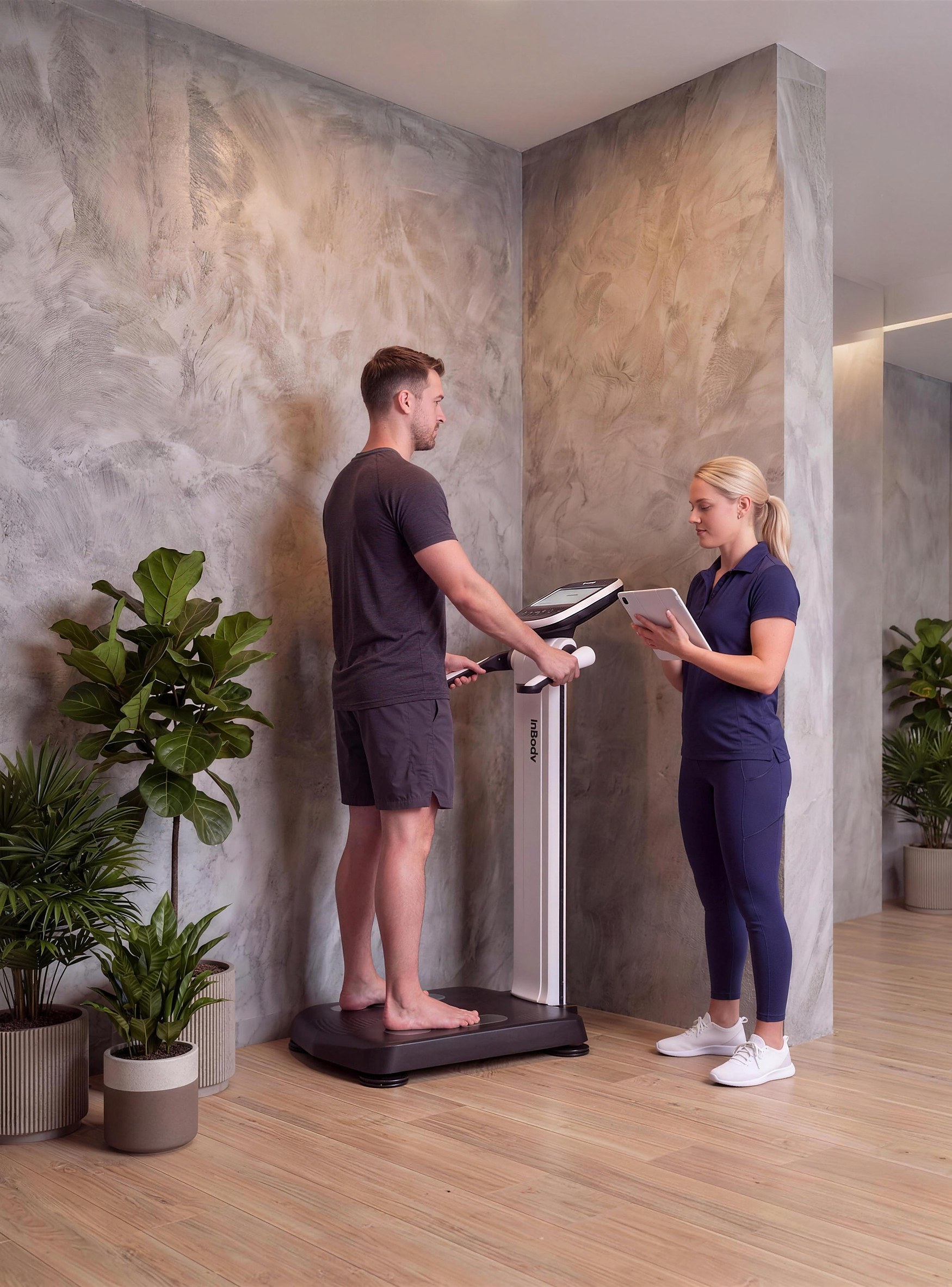
A patient can weigh 160 pounds and carry enough visceral fat to drive systemic inflammation, hormonal dysfunction, and accelerated biological aging. A different patient at the same weight can have a metabolic profile that most 30-year-olds would envy. Scale weight tells you nothing about which one you are.
Visceral fat, the fat wrapped around your organs rather than the kind you can pinch, is metabolically active. It produces inflammatory cytokines and converts testosterone to estrogen in both men and women. Identifying, quantifying, and reducing it is a clinical goal, not an aesthetic one.
High adipose tissue changes how testosterone is processed, and low muscle mass changes how hormonal and metabolic therapies work. Reduced bone density changes the risk calculus for certain training protocols. Body composition gives every other intervention at Citrin Longevity the context it needs.
When GLP-1 medications or aggressive caloric restriction produce rapid scale weight loss, body composition testing distinguishes fat loss from muscle wasting. The two look identical on a scale. They have opposite implications for longevity, metabolic health, and what the protocol should do next.
Serial assessments, tested at the same point every quarter, create the longitudinal data that shows whether interventions are actually working, plateau patterns, and where to direct the next phase of the protocol.

"You cannot optimize what you have not measured. Body composition is the map. Everything else we do is the territory."
Each component tells a different clinical story. Together they give us a complete picture of where you are and what needs to change.
Assessment is the beginning of the loop, not the end. Each data point feeds the protocol decision that follows.
Body composition is measured during your 90-minute comprehensive intake. This establishes the baseline every future measurement is compared against. The assessment takes less than 10 minutes and requires no special preparation beyond standard fasting protocols.
Body composition data is interpreted alongside your blood panel, hormonal results, and RMR data. Elevated visceral fat combined with low testosterone tells a different story than elevated visceral fat with normal testosterone. Context makes the data actionable.
Training zone recommendations, hormone optimization targets, and nutritional prescriptions are all calibrated based on your specific composition profile. Low muscle mass may indicate a need for anabolic support before aggressive caloric restriction. High visceral fat may indicate testosterone conversion issues that require hormonal intervention first.
Each quarterly assessment compares current composition against baseline and prior assessments. Muscle mass trends, fat reduction curves, and bone density changes over 12 months reveal whether the protocol is working and where to apply more precision in the next phase.
How is this different from a DEXA scan?
DEXA is the gold standard for bone density and regional body fat, particularly visceral fat. The method used at Citrin Longevity gives rapid, repeatable measurements practical for quarterly tracking. Your ND will advise which method fits your goals, and some patients benefit from periodic DEXA alongside routine monitoring.
I am already at a healthy weight. Why would I need body composition testing?
"Healthy weight" based on scale or BMI gives no information about muscle mass, bone density, visceral fat distribution, or metabolic health. Individuals within a healthy BMI range can have sarcopenia (muscle wasting), osteopenia, and high visceral fat simultaneously, a profile that predicts poor longevity outcomes despite an acceptable scale weight. Body composition reveals what weight cannot.
Can this assessment help if I am using GLP-1 medications for weight loss?
Yes, this is one of the most important use cases for body composition testing. GLP-1 medications drive significant scale weight loss, and without composition testing there is no way to know how much of it is fat versus muscle. Serial assessments every 6 to 8 weeks let us adjust dosing or add resistance training before muscle wasting compounds.
Does bone density testing require a separate appointment?
Bone density is included as part of the standard body composition assessment. For patients where detailed regional bone density analysis is clinically indicated, particularly those with a history of fractures, long-term corticosteroid use, or significant hormonal decline, your ND may refer for a dedicated DEXA scan to complement the routine assessment data.
How should I prepare for an InBody scan?
Try not to eat for three to four hours before your scan, and skip exercise, alcohol, and heavy caffeine that day. Stay normally hydrated without chugging water, empty your bladder, and avoid lotion on your hands and feet. For repeat visits at our West Hollywood office, we test at a similar time of day.
How accurate is the InBody scan?
InBody uses bioelectrical impedance, which has been studied against gold-standard methods and tracks closely when prep is consistent. It is most accurate as a trend tool, where the same person is tested under the same conditions over time. Day-to-day shifts in food, water, and activity can move a single reading, which is why the Citrin Longevity team focuses on the direction of change, not one isolated number.
Why do I take the scan barefoot, and does hydration really change the result?
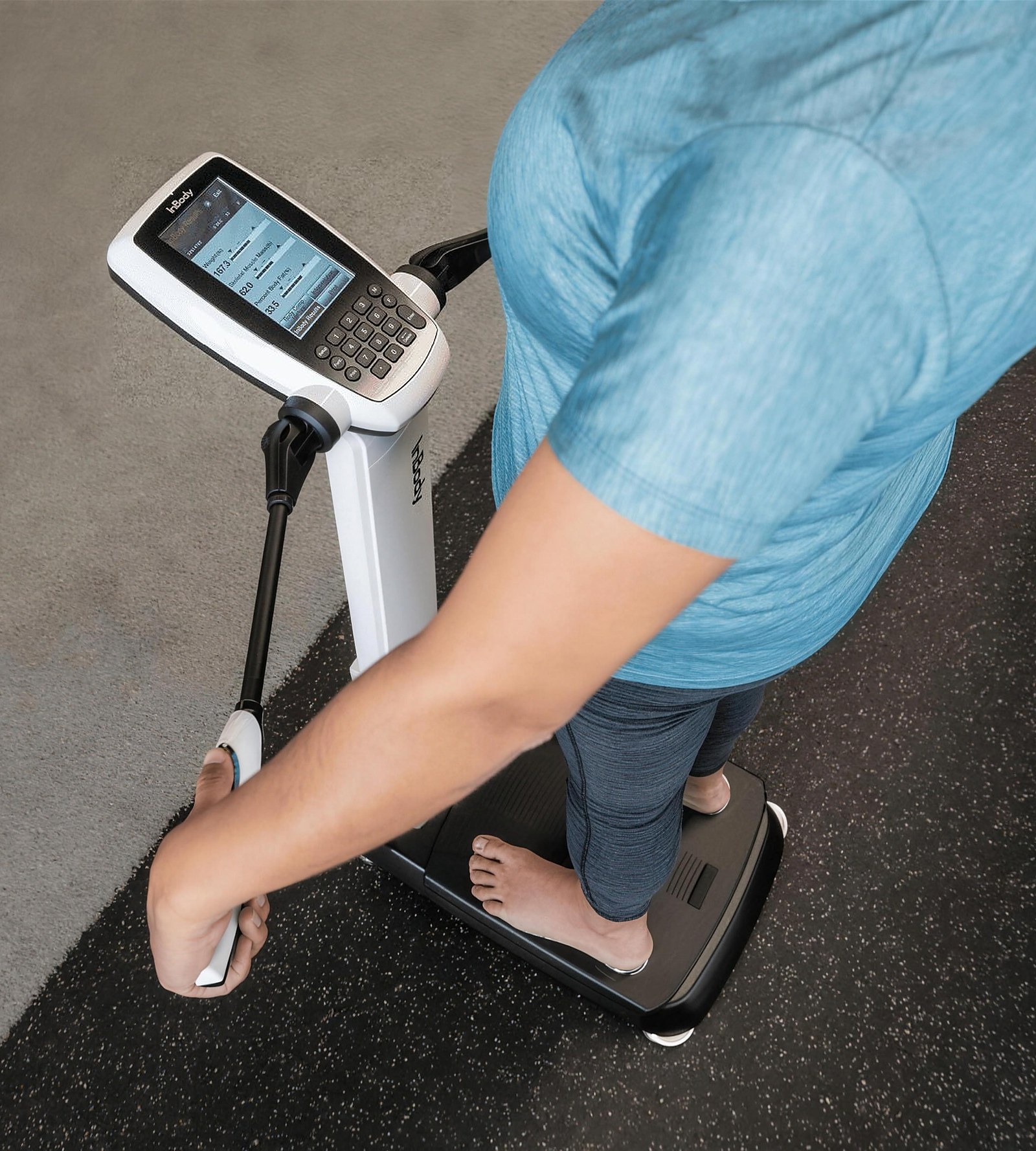
The device reads a low current through electrodes in the foot plate and hand grips, so bare, lotion-free skin gives a clean signal. Hydration matters, since the scan is sensitive to body water. Being very dehydrated can make body fat look higher, and over-drinking right before does the opposite.
How often should I retest my body composition?
For most people, every 8 to 12 weeks shows a real trend rather than daily noise, and every 4 to 6 weeks makes sense during an active diet or training change. We generally reassess quarterly, more often when a protocol is moving quickly. Consistent timing and prep matter more than frequency.
What is a good body fat percentage for my age and sex?
Healthy ranges differ by sex and shift with age, with a common fitness reference around 14 to 24 percent for men and 21 to 31 percent for women. These are general guides, not a diagnosis. The Citrin Longevity team reads your body fat alongside your muscle mass, labs, and goals before suggesting a target.
What does the visceral fat level number on my report mean?
Visceral fat level estimates the fat packed around your internal organs, reported as a score. Lower scores are associated with lower cardiometabolic risk, while higher scores are linked to higher risk for issues like heart disease and type 2 diabetes. This is the fat we watch most closely, because reducing it is a clinical goal, not a cosmetic one.
What is skeletal muscle mass, and what does segmental analysis show?
Skeletal muscle mass is the muscle attached to your bones, the muscle that drives strength, mobility, and resting metabolism. Segmental analysis breaks this down for each arm, each leg, and your trunk. That detail can reveal a weaker side or a low-muscle region, which may point to imbalances worth addressing in your training and posture work.
Is the metabolic age number accurate?
Metabolic age compares your estimated metabolism and body composition to population averages and expresses it as an age. It is a motivational snapshot, not a validated medical measurement, and a number well above your real age usually reflects higher fat and lower muscle. We rely on your muscle, fat, and lab data for actual decisions.
What does the 3D posture scan add to body composition testing?
The 3D posture scan maps how your head, shoulders, spine, and pelvis stack up, flagging asymmetry and forward head posture. Body composition tells us what your body is made of, while the posture scan shows how it is aligned. Read together, a low-muscle leg or region can help explain a postural shift, which sharpens your training plan at our West Hollywood clinic.
Does the scan hurt, how long does it take, and is it safe with a pacemaker?
The scan is painless, uses a very low current, and most people feel nothing, with the measurement taking under a minute. If you have a pacemaker, defibrillator, or other implanted electronic device, the manufacturer advises against testing unless your cardiologist clears it. Tell our team in advance and we will plan around it.
My weight went up but I feel leaner. What is happening?
A pound of muscle and a pound of fat weigh the same, but muscle is denser and takes up less space. During body recomposition you can add muscle while losing fat, so the scale may rise or hold steady even as your body fat percentage drops. This is exactly the pattern scale weight hides and body composition testing makes visible.
Body composition assessment is included in your 90-minute initial visit and retested on a set cadence in the Foundation, Performance, Elevate, and Optimize membership tiers. It is also available as an individual à la carte service for patients who want a standalone baseline before committing to a full protocol.