Hyperbaric oxygen therapy places you in a pressurized chamber while you breathe near-pure oxygen. At increased pressure, oxygen dissolves directly into blood plasma, not only red blood cells, reaching tissue that ordinary circulation cannot fully saturate. Our West Hollywood chambers run up to 2.0 ATA, the most studied range, and as low as 1.3 ATA for more sensitive populations.
Book an HBOT Session Schedule a Tour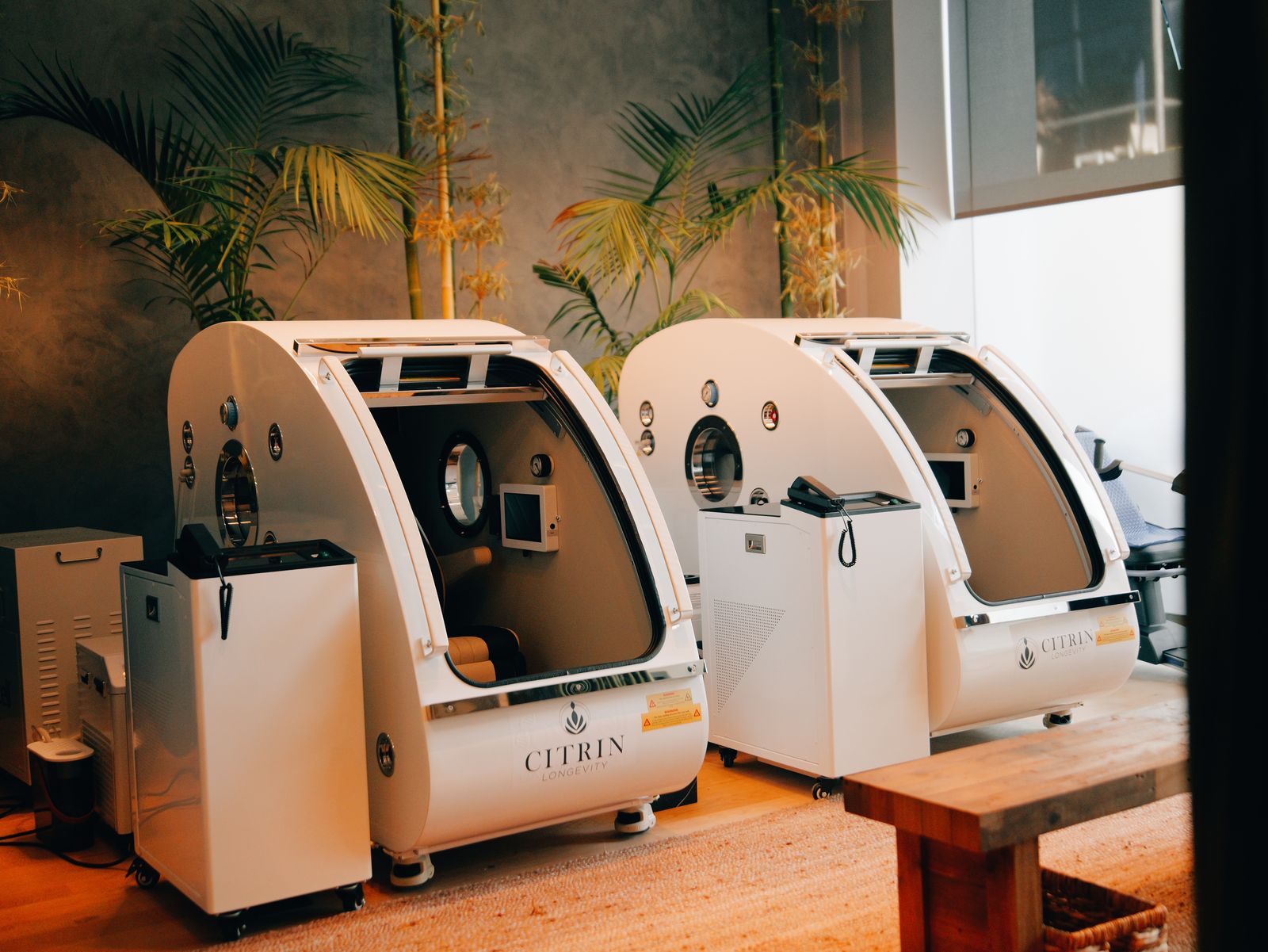
At normal pressure, oxygen travels through the blood bound to hemoglobin, which reaches capacity quickly, so tissue with limited circulation (injured, inflamed, or oxygen-depleted) sees little benefit from breathing alone.
Under increased pressure, oxygen dissolves directly into the plasma and reaches those areas. This is saturation rather than supplementation, and it is the basis of the therapy.
Pressurized oxygen reduces inflammatory markers at the tissue level and supports the body's own repair processes: faster recovery for athletes, and a cumulative effect for those managing chronic inflammation.
Within a longevity protocol, your doctor sets frequency and pressure based on your intake and goals; individual sessions are also available.
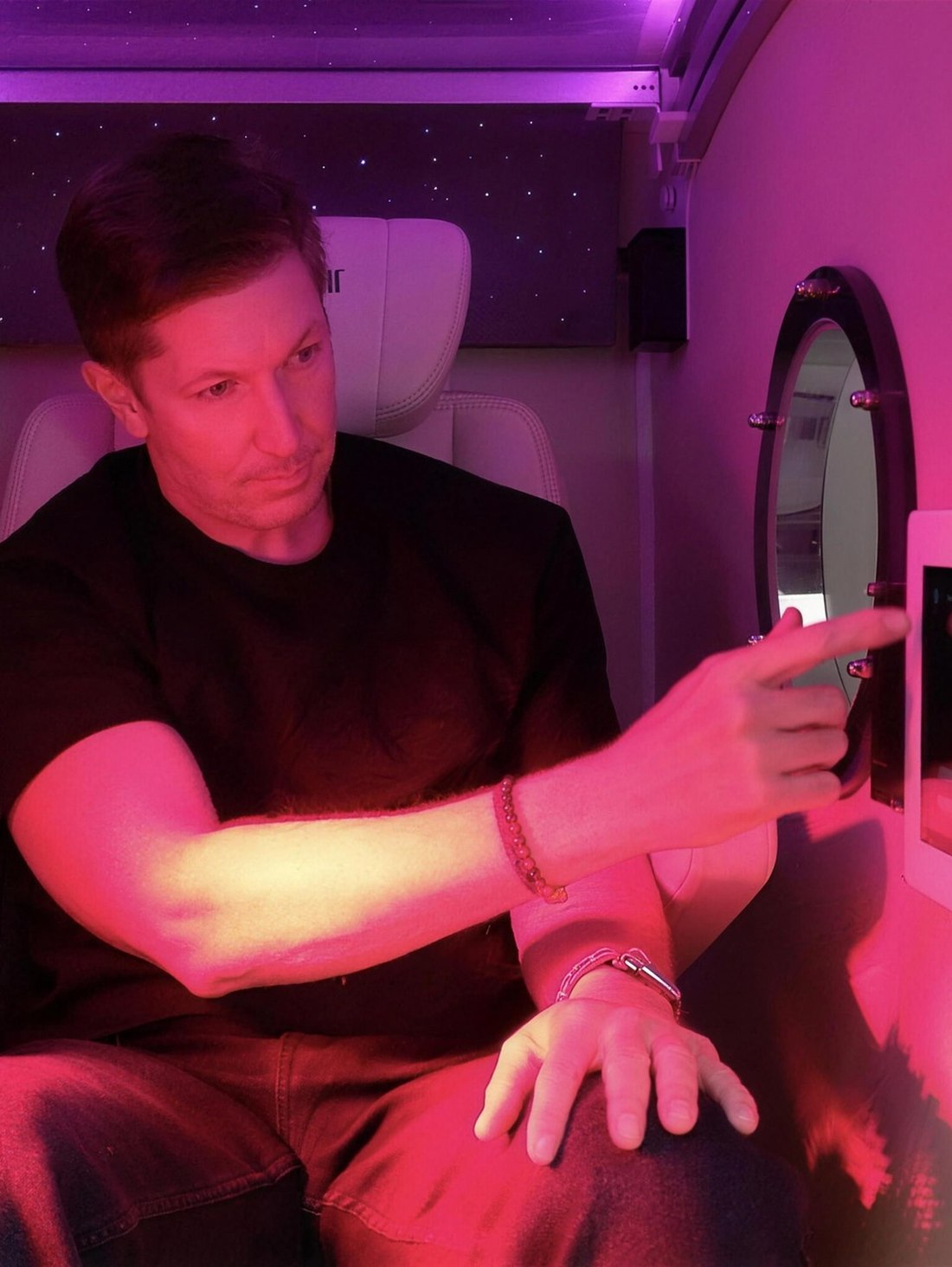
In our hyperbaric chambers, oxygen reaches tissue that ordinary circulation cannot.
HBOT at Citrin Longevity is calibrated to your physiology, not a spa session, not a performance gimmick. It is a clinical tool for recovery, performance, and longevity.
Precision medicine requires a sequence. Each step creates the foundation that makes the next step meaningful.
Body composition, extensive bloodwork, and a full clinical intake. Before a single session is scheduled, we know your baseline: inflammatory markers, oxygen utilization efficiency, and relevant tissue health indicators.
Based on your biomarkers, your ND designs a session frequency and pressure protocol. Patients in acute recovery phases may begin more frequently. Optimization patients follow a maintenance schedule.
Sessions run 60 minutes in a private chamber, with pressure building gradually over the first 10 minutes. Most patients work, read, or sleep. There is little to no discomfort once equilibration is complete.
After the initial phase, we retest the relevant markers. Inflammatory panels, cognitive function scores, and performance indicators are compared against your baseline. The protocol is adjusted based on what the data shows.
Is hyperbaric oxygen therapy safe?
HBOT at Citrin Longevity is doctor-supervised and calibrated to each patient's physiology. Side effects are rare and typically limited to mild ear pressure during pressurization, which resolves as the body equalizes. We conduct a full intake assessment before any treatment begins to identify contraindications.
How many sessions before I notice a difference?
Some patients report improved recovery and reduced joint inflammation after 3 to 5 sessions. Cognitive effects often become noticeable around the same range. The most significant and lasting improvements typically develop over a 20-to-40-session course tracked against your baseline biomarkers.
Is this the same as the HBOT chambers you find at wellness spas?
No. Consumer soft chambers are fixed at 1.3 ATA and usually pressurized with ambient air only, though research does support some benefit at that pressure for inflammation and recovery. The clinical chambers at Citrin Longevity run between 1.3 and 2.0 ATA using an oxygen compressor, and higher pressures dissolve far more oxygen into plasma. The pressure your protocol calls for is set by your doctor, not chosen from a menu.
Can I use HBOT alongside other Citrin Longevity protocols?
Yes. HBOT is frequently stacked with red light therapy, IV therapy, and VASPER, which works particularly well for recovery-focused patients. Your ND designs the sequencing from your goals and the data in your initial assessment.
What should I wear and how do I prepare for a session?
Wear loose, comfortable clothing and leave jewelry, watches, and hard contact lenses at home (soft contact lenses are okay). We ask that you skip perfume and hairspray, since the chamber environment is oxygen-rich. Our West Hollywood team walks you through the full prep list before your first visit so nothing is a surprise.
Should I eat before my HBOT session?
Yes, have a light meal or snack within an hour or two of your appointment, since blood sugar can dip slightly during treatment. Go easy on caffeine and avoid alcohol beforehand. Our team reviews these details so you arrive feeling steady.
I get claustrophobic. Can I still do this?
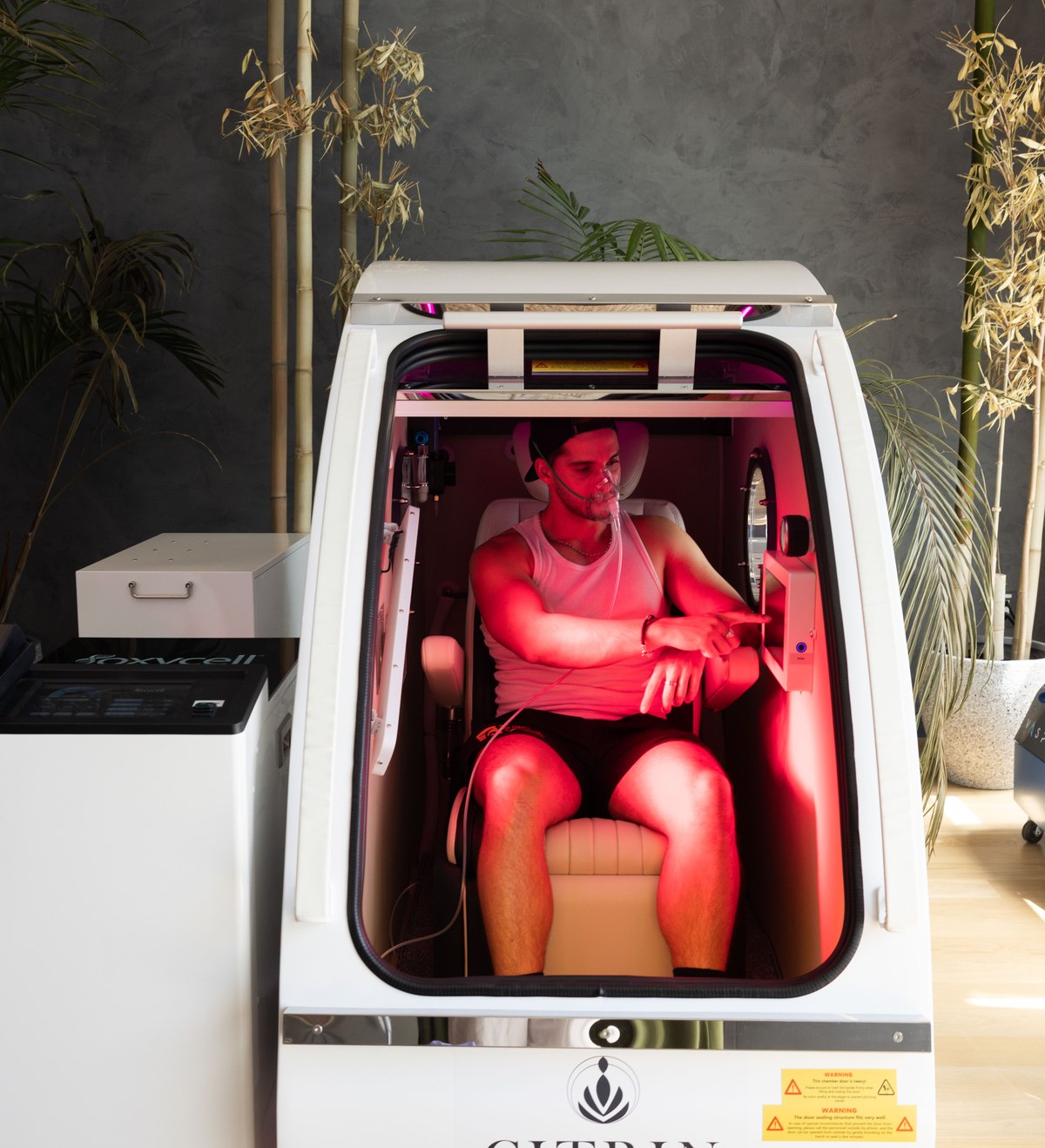
Most patients who feel uneasy in tight spaces do well. The chamber is a roomy unit with clear panels, so you can see the room the entire time and stay in contact with our team. You set the pace, and we can slow pressurization or pause the session whenever you ask.
Will the pressure hurt my ears?
The most common sensation is mild ear fullness during the first few minutes, similar to landing in an airplane. We coach you on simple equalizing techniques like swallowing, yawning, or a gentle Valsalva before you begin. If your ears need a moment, tell us and we slow the pressure until you are comfortable.
Can I bring my phone or work during a session?
Yes, the chamber is pressurized with air rather than pure oxygen, so cell phones may be used inside. Many patients read, answer email, or rest. Sessions run long enough that bringing something to occupy the time helps.
Who should not do hyperbaric oxygen therapy?
HBOT is not appropriate for everyone. People who are pregnant, have an untreated collapsed lung, certain lung conditions, an active cold or ear infection, or specific implanted devices may need to wait or avoid it. This is why our team completes a full clinical intake first and screens for contraindications before any session is scheduled.
Why does clinical HBOT cost more than the deals I see online?
Price usually reflects three things: chamber type, the pressure it actually reaches, and the medical oversight behind it. Low-cost soft chambers cap at 1.3 ATA with ambient air, which is only therapeutic for certain conditions. At Citrin Longevity you are paying for a clinician-led protocol, hard-shell chambers, and care calibrated to your biomarkers.
What can I do after a session, and can I drive myself home?
You can drive yourself and return to your normal day. Some patients feel a little tired afterward as the body's repair response kicks in, so we suggest drinking water and taking it easy if you feel it. One thing to plan around: avoid air travel for about 24 hours before and after a session.
How is this different from a home or inflatable hyperbaric chamber?
Inflatable home units run at 1.3 ATA with concentrated room air and no clinical supervision. Our chambers reach therapeutic pressure inside a controlled, doctor-led setting, and your protocol is built from your lab data rather than a one-size schedule. The difference is both the pressure delivered and the medical structure around it.
Can HBOT support healthy aging and longevity?
Hyperbaric oxygen has been studied for its effects on circulation, inflammation, and cellular repair, which are areas of strong interest in longevity research. We frame it as one tool for recovery and healthy aging, not a cure for anything specific. Our Los Angeles team tracks your markers over time so the protocol stays matched to your goals.
Why are there red light panels inside the chamber?
Our OxyCell chamber includes red-light panels so two recovery modalities can run in the same window of time. Red light has been studied for skin, circulation, and cellular energy support, and pairing it with pressurized oxygen is a way our team makes a session more efficient. Whether to use it is part of how your protocol is sequenced.
A 90-minute initial visit establishes your biomarker panel, body composition, and a written plan. HBOT is available à la carte or within our memberships, and sessions are tracked against your baseline like every other modality.